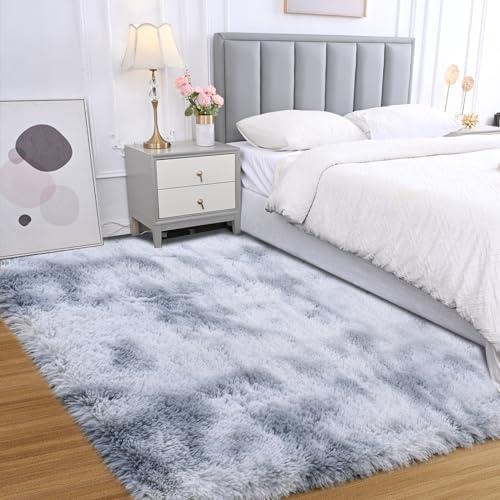
Elevate Your Home with the Perfect Area Rugs
Area rugs are more than just floor coverings; they are the unsung heroes of interior design, capable of transforming a room from ordinary to extraordinary. With their power to define spaces, add warmth, introduce texture, and infuse color, a carefully chosen rug can anchor furniture, absorb sound, and even dictate the overall mood of a room. But with an overwhelming array of options available, how do you navigate the choices to find the perfect fit for your home? This comprehensive guide will walk you through everything you need to know, helping you make informed decisions when you visit your favorite rug shop.
The Transformative Power of Area Rugs
Imagine walking into a room with bare floors. It might feel cold, echo-prone, and lacking a focal point. Now, picture that same room with a beautifully patterned or richly textured area rug. Suddenly, the space feels inviting, cohesive, and thoughtfully designed. Area rugs serve several crucial functions:
- Defining Zones: In open-plan living, rugs are indispensable for visually separating functional areas like a dining space from a living area without the need for physical barriers.
- Adding Warmth & Comfort: Beyond the literal insulation they provide against cold floors, rugs bring a softness and coziness that makes a room feel more welcoming.
- Enhancing Aesthetics: They act as a foundation for your decor, tying together color palettes, introducing patterns, and adding a layer of visual interest that can complement or contrast existing elements.
- Reducing Noise: Rugs are excellent sound dampeners, helping to absorb echoes and create a quieter, more peaceful environment, especially in homes with hard flooring.
- Protecting Floors: They shield hardwood, laminate, or tile floors from scratches, dents, and wear, extending the life of your existing flooring.
Navigating the World of Rugs: Key Factors to Consider
When you embark on the journey to find the perfect area rug, the quality of your chosen rug shop can make all the difference. A reputable store will offer an extensive selection and expert advice. Here are the key factors to consider before making your purchase:
1. Size & Layout: The Foundation of Good Design
One of the most common mistakes in rug selection is choosing the wrong size. A rug that is too small can make a room feel disjointed, while one that is too large might overwhelm the space. The general rule of thumb is to ensure your rug is large enough to anchor your furniture.
- Living Room:
- All Legs On: For larger rooms, aim for a rug that allows all four legs of your main furniture pieces (sofa, armchairs) to rest comfortably on the rug. This creates a luxurious, grounded feel.
- Front Legs On: In smaller living rooms, a rug that allows at least the front two legs of your sofa and armchairs to sit on it can still effectively define the space.
- Floating: A smaller rug that only accommodates a coffee table and perhaps the front legs of an accent chair can work in very compact spaces, but generally feels less cohesive.
- Dining Room: Ensure the rug is large enough for dining chairs to remain on the rug even when pulled out from the table. This typically means adding at least 24 inches on all sides beyond the table's dimensions.
- Bedroom: The most popular choice is to place a large rug so that it extends at least two-thirds of the way under the bed, providing a soft landing for your feet when you wake up. Alternatively, two smaller runners can be placed on either side of the bed.
- Hallways & Entryways: Runners should leave about 4-6 inches of bare floor on all sides and shouldn't extend into doorways.
Pro Tip: Use painter's tape to outline the desired rug size on your floor before you buy. This visual aid can prevent costly mistakes.
2. Style & Aesthetic: Reflecting Your Personality
The style of your rug should either complement your existing decor or introduce an intentional contrast to create visual interest. From traditional Persian designs to contemporary geometrics, the options are limitless.
- Traditional: Think ornate patterns, rich colors, and often a distressed or antique look. Perfect for classic or transitional interiors.
- Modern/Contemporary: Characterized by clean lines, abstract designs, bold colors, or monochromatic palettes.
- Bohemian/Eclectic: Often featuring global patterns, vibrant colors, and layered textures, ideal for a free-spirited aesthetic.
- Farmhouse/Rustic: Jute, sisal, or wool rugs with simple patterns, natural fibers, and muted tones fit well here.
Finding a rug shop that categorizes rugs by style can significantly ease your search. To explore a vast array of options, consider visiting a comprehensive Shop Rugs by Style, Color, Size & Material Online.
3. Material & Texture: Durability Meets Comfort
The material of your rug dictates its feel, durability, and maintenance requirements. Consider the traffic level of the room and your lifestyle.
- Wool: Highly durable, soft, naturally stain-resistant, and excellent for high-traffic areas. Can be a higher initial investment.
- Cotton: Softer, more casual, and often washable, making it ideal for bedrooms, bathrooms, or kitchens. Less durable than wool.
- Jute/Sisal: Natural fibers that offer a rustic, earthy look and good durability. They can be rough underfoot and are best for low-moisture areas.
- Silk: Luxuriously soft and often very vibrant, but delicate and best for low-traffic areas or decorative purposes. High cost.
- Synthetics (Polypropylene, Nylon, Polyester): Excellent value, highly durable, stain-resistant, and easy to clean. Perfect for families with pets and children, or outdoor use (polypropylene).
4. Color & Pattern: Setting the Mood
Color and pattern have a profound impact on a room's atmosphere. A light-colored rug can make a room feel more expansive, while a dark rug can make it feel cozier. Patterns can add personality and hide stains, whereas solid rugs offer a serene backdrop.
- Complement or Contrast: Decide if you want your rug to blend seamlessly with your existing palette or to be a bold statement piece.
- Grounding vs. Lifting: Darker, richer colors tend to ground a space, while lighter, brighter hues can lift and energize it.
- Pattern Play: If your furniture is solid, a patterned rug can introduce dynamic interest. If your furniture already has patterns, a solid or subtly textured rug might be a better choice to avoid visual clutter.
Rugs for Every Room: Tailoring Your Choice
Every room has unique demands, and your rug choice should reflect them. Thankfully, many a well-stocked rug shop will offer extensive collections tailored for specific environments.
- Living Room: Focus on comfort and durability. Wool or synthetic blends are popular choices. The rug should be large enough to define the seating area.
- Bedroom: Softness underfoot is key. High-pile wool, cotton, or even a plush synthetic rug can create a luxurious, comfortable retreat.
- Dining Room: Prioritize durability and ease of cleaning. Flat-weave or low-pile rugs made from wool or synthetic materials are ideal, as they allow chairs to slide easily and are less prone to trapping food debris.
- Kitchen & Hallways: Runners are perfect for these high-traffic areas. Look for durable, washable materials like cotton or synthetic blends, often with a non-slip backing for safety.
- Outdoor Spaces: Opt for rugs specifically designed for outdoor use, typically made from weather-resistant polypropylene. These are fade-proof, mildew-resistant, and easy to clean.
For an unparalleled selection that caters to every corner of your home, make sure to Discover Extensive Floor & Area Rug Collections to find inspiration for all your rooms.
Beyond the Purchase: Care and Maintenance
To ensure your rug remains a beautiful focal point for years to come, proper care is essential. The type of maintenance will depend on the material and weave of your rug.
- Regular Vacuuming: Vacuum regularly, adjusting the height settings for different pile types. Avoid fringed ends with the beater bar.
- Spot Cleaning: Address spills immediately. Blot, don't rub, with a clean cloth and a suitable rug cleaner. Always test in an inconspicuous area first.
- Rotate Your Rug: Rotate your rug 180 degrees every 6-12 months to ensure even wear and sun exposure.
- Use a Rug Pad: A good quality rug pad not only prevents slippage but also provides extra cushioning, extends the life of your rug by reducing friction, and offers additional sound absorption.
- Professional Cleaning: Depending on traffic and material, consider professional cleaning every 1-3 years to deep clean and restore your rug's vibrancy.
Conclusion
Choosing the perfect area rug is an investment in your home's comfort, style, and functionality. By carefully considering size, style, material, color, and the specific needs of each room, you can select a rug that not only enhances your decor but also withstands the test of time. Don't hesitate to consult the experts at your chosen rug shop, as they can provide invaluable advice and help you navigate the vast selection available. With the right rug, you'll create a space that truly feels like home, filled with warmth, character, and undeniable elegance.